En bref:
- Nahttypen refers to various stitch types crucial in sewing, tailoring, and textile manufacturing.
- Choosing the right seam type enhances fabric strength, durability, and aesthetic appeal.
- Common seam types like Geradstich, Zickzackstich, and Overlockstich serve distinct purposes depending on fabric and function.
- Understanding seam design bridges both textile crafts and industrial applications, including metal joining and welding techniques.
- Mastering nahttypen is essential in improving garment longevity and optimizing fabrication quality.
The Role of Nahttypen in Contemporary Seam Design and Fabrication
Nahttypen, a German term signifying stitch types, plays a foundational role in the construction of textiles and garments. Each stitch method caters to different performance criteria such as strength, flexibility, and visual finish. Professional tailors, hobbyists, and industrial manufacturers rely on accurate nahttypen to create durable projects with superior aesthetics.
Choosing the appropriate seam design is not dissimilar to selecting the right welding or weld types in metal joining industries, where precise joint types enhance structural integrity. Similarly, textiles depend on the correct seam to withstand stress and wear over time.
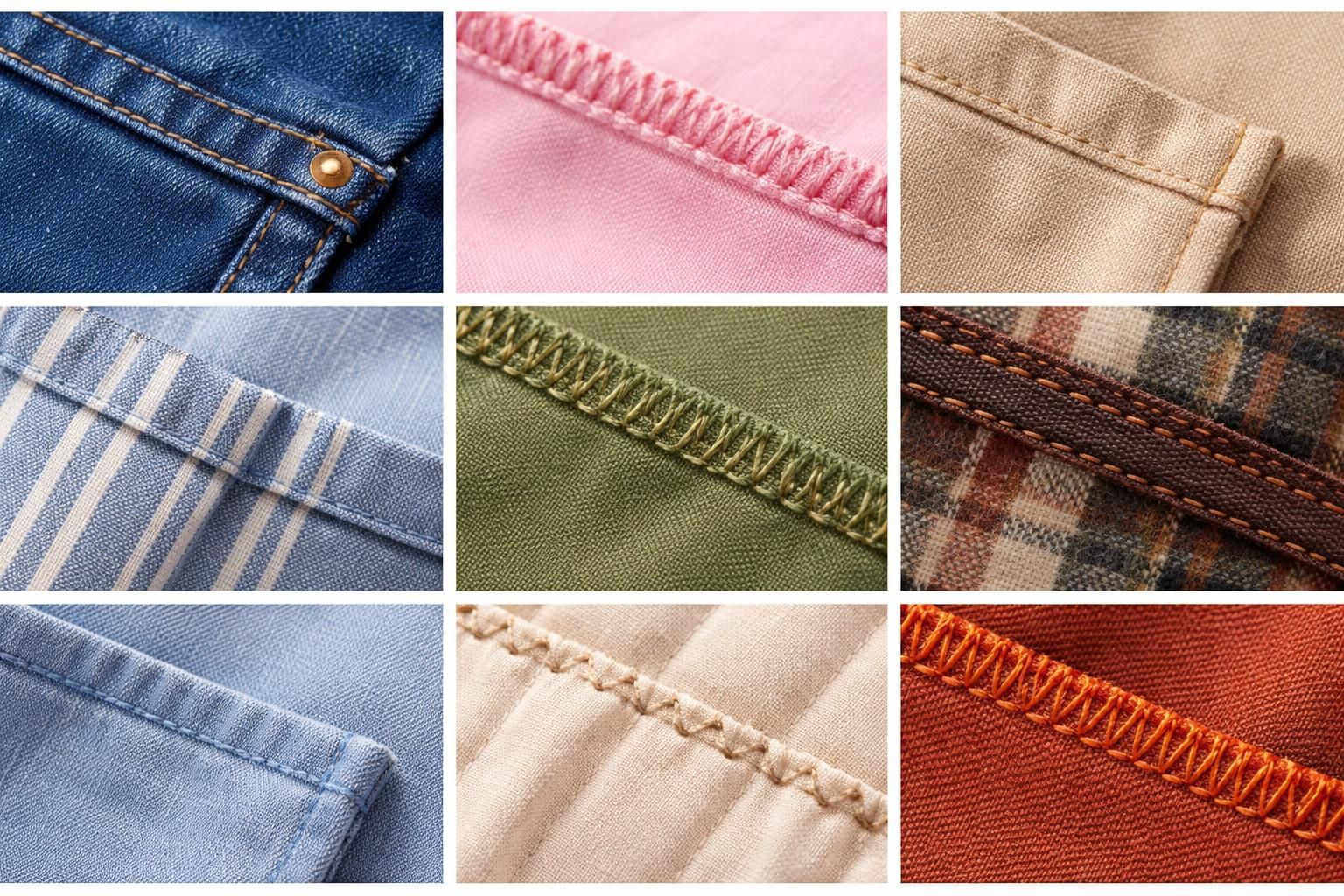
Basic Overview of Common Nahttypen
Understanding various nahttypen is critical for effective sewing. Here is a guide to some widely used seam types with their typical applications:
| Nahttyp (Seam Type) | Description | Applications | Ideal Fabric Type |
|---|---|---|---|
| Geradstich (Straight Stitch) | Strong, simple stitch creating durable and neat seams. | Joining fabric panels, topstitching hems, repairs. | Lightweight to medium woven fabrics. |
| Zickzackstich (Zigzag Stitch) | Flexible stitch that prevents edge fraying and stretches with fabric. | Stretch fabric seams, edge finishing, decorative use. | Knit, jersey, stretch fabrics. |
| Overlockstich (Overlock Stitch) | Combines sewing and edge finishing; strong and fast. | Neatening knitwear edges, seam reinforcement. | Stretch garments, industrial fabric production. |
| Doppelsteppstich (Double Topstitch) | Reinforces seams and adds decorative detailing. | Denim wear, heavy-duty fabrics. | Heavy fabrics like denim and canvas. |
| Französische Naht (French Seam) | Encases raw fabric edges for a neat and elegant finish. | Delicate sheer garments, lingerie, fine blouses. | Lightweight and transparent fabrics. |
| Blindstich (Blind Hem Stitch) | Invisible hem from the outside, clean edge finish. | Pants hems, skirts, dresses, curtains. | Varied fabrics where a discrete hem is desired. |
Critical Considerations When Selecting Seam Types
Fabric type extensively influences the choice of nahttypen. Lightweight materials favor delicate seams like French seams, whereas heavy items call for reinforced stitches like double topstitching. Seam strength is vital in high-stress zones, whereas some projects prioritize softness and flexibility.
From an aesthetic perspective, visible seams might be embellished for style, and hidden seams prioritized for a clean appearance.
For anyone exploring these intricacies, grasping the full spectrum of how to combine fabrics and styles enhances both practical and decorative applications of nahttypen within garment construction.
Integrating Nahttypen with Industrial Sewing and Structural Welding
In industrial-scale production, seam design is as critical as choosing welding techniques in steel fabrication. Automated machines replicate complex nahttypen with precision, ensuring consistency and durability across mass production lines.
Specialized seam types such as reinforced and elastic seams parallel the need for specific joint types in metal welding that withstand stress and environmental factors, directly affecting the functional performance of finished goods.
Understanding these advanced weld applications and seam designs propels quality and efficiency in textile and metal fabrication industries alike.
Nahttypen in DIY and Home Sewing Projects
When approaching home sewing, a confident selection of seam types can transform a project. Hobbyists learn to adapt nahttypen considering their fabric choice and garment function. Decorative stitching, such as zigzag and scallop stitches, supports creative expression beyond utility.
Knowing how to maintain seams through proper handling and repair also preserves garment longevity, a key to sustainable fashion practices.
Key Advantages of Mastering Nahttypen in Fabrication
- Enhance Durability: Proper seam types prevent premature fabric wear and tearing.
- Optimize Aesthetic Appeal: Seam precision results in polished, professional finishes.
- Improve Comfort: Flat and stretchable seams reduce irritation and allow movement.
- Reduce Fabric Waste: Correct stitching choices minimize errors.
- Support Sustainability: Longer-lasting products contribute to environmental responsibility.
What does nahttypen mean in sewing?
Nahttypen refers to different stitch types used to join fabrics in sewing and tailoring. Each type has unique properties that influence the strength, flexibility, and appearance of seams.
How do I choose the right seam type for my fabric?
Consider fabric weight, stretchability, and garment purpose. For lightweight fabrics, delicate seams like French seams are ideal, while heavy fabrics require reinforced seams like double topstitch.
Are nahttypen important in industrial sewing?
Yes, they ensure consistent seam strength, quality, and efficiency. Industrial sewing machines replicate specific nahttypen adapted for mass production and diverse textile materials.
Can nahttypen knowledge help in repairing garments?
Understanding seam types helps identify how a garment was constructed, enabling effective seam repairs and prolonging the life of textiles.
How is seam design related to welding techniques?
Both sewing seams and welds join two materials, ensuring durability and integrity under stress. Seam design in textiles parallels the use of joint types and welding techniques in metal fabrication.