Brief:
- Piqué polo shirts are renowned for their unique waffle-like texture that offers enhanced breathability and structured comfort.
- Their enduring versatility enables seamless transition from casual wear to smart-casual and sportswear settings.
- Made primarily from high-quality cotton or blended fibers, pique polos combine durability with moisture-wicking properties, perfect for active lifestyles.
- Understanding the fabric’s knit construction helps consumers make informed decisions, ensuring the selection of a long-lasting and stylish garment.
- Proper care maintains the shirt’s distinctive texture and shape, extending its aesthetic and functional appeal.
What Is a Piqué Polo Shirt and Its Unique Fabric Characteristics?
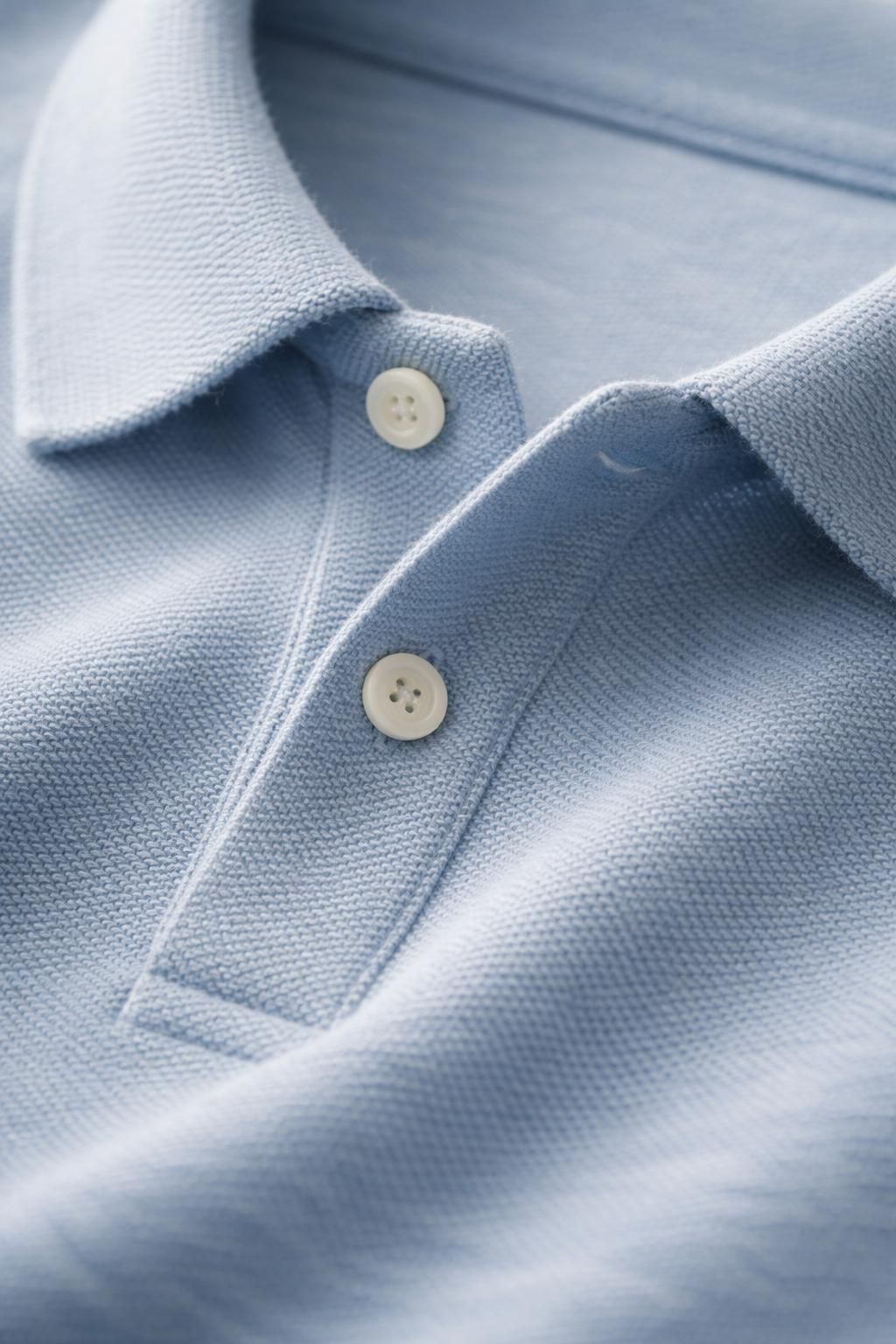
If you run your thumb across a polo shirt and notice a raised, waffle-like texture, you’re experiencing the distinctive feel of piqué. Unlike fabrics with surface treatments, pique’s texture is woven directly into the fabric structure, delivering both visual appeal and practical benefits.
This fabric uses an intricate knit with raised geometric patterns, commonly resembling small squares or diamonds, enhancing its surface area. This construction affects how the shirt breathes and holds its shape, setting piqué polos apart from smoother jersey options.
Why Piqué Fabric Excels for Comfort and Performance in Polo Shirts
The raised texture of piqué fabric is not only stylish but essential for comfort. The woven loops create microscopic channels that promote breathability, making the material ideal for warm conditions or light physical activity. Unlike flat jersey knits, piqué’s structure supports the collar and torso, maintaining a smart silhouette even after hours of wear.
Moreover, its textured nature helps camouflage sweat stains better than smoother fabrics, a practical advantage during active sports or casual outings. The blend of cotton with potential synthetic fibers like elastane further enhances moisture-wicking and flexibility, elevating the tactile experience without compromising on durability.
Comparing Piqué with Jersey and Interlock Fabrics in Polo Wear
Selecting the appropriate fabric for a polo shirt can influence both comfort and style. Below, a table outlines key differences among popular knit fabrics:
| Fabric Type | Texture | Breathability | Durability | Typical Use |
|---|---|---|---|---|
| Jersey | Smooth, soft | Moderate | Lower | Casual tees and some polo styles |
| Piqué | Raised waffle-like pattern | High | High | Classic polo shirts and sportswear |
| Interlock | Smooth, dense double-knit | Moderate | Very high | Premium basics and formal polo variations |
Of these, piqué polo shirts offer the perfect balance of breathable texture, structured fit, and resilience, making them the favored choice across a variety of settings.
Key Features to Identify High-Quality Piqué Polo Shirts
When choosing a pique polo, pay attention to:
- Fabric Weight: Opt for fabrics weighing between 200-240 grams per square meter for durability without heaviness.
- Yarn Quality: Ringspun and combed cotton ensure finer, stronger fibers that resist pilling and snagging.
- Collar Construction: A structured rib-knit collar that stays upright is a hallmark of craftsmanship.
- Preshrunk Texture: Minimizes post-wash shrinkage, helping maintain the shirt’s original fit over time.
Historical Evolution and Popularity of Piqué Polo Shirts in Everyday and Sportswear
The piqué polo shirt traces back to French tennis champion Jean René Lacoste in the 1920s, who revolutionized athletic apparel by introducing a lightweight, breathable shirt with the iconic crocodile logo. Initially designed for sports, this style seamlessly transitioned into mainstream fashion due to its blend of comfort, style, and practical functionality.
By the mid-20th century, piqué polos had become a staple in golf and casual wear, reflecting a perfect mix of sportiness and refinement. Leading fashion labels revived and reimagined this classic, cementing the polo shirt’s place in business casual attire with versatile styling options that appeal well beyond the sporting world.
How to Care for Your Cotton Piqué Polo for Longevity and Style
Proper maintenance ensures the long life of your pique polo:
- Wash in cool or warm water, inside out, to protect the fabric’s texture.
- Avoid high heat drying; air dry or use low heat to prevent shrinkage and collar deformation.
- If ironing is needed, turn the shirt inside out and use a low setting to preserve texture.
- Store folded to prevent shoulder stretching and maintain overall shape.
Following these guidelines will keep your shirt feeling soft, looking crisp, and ready to wear through countless occasions.
Understanding the Versatility of Piqué Polo Shirts in Modern Wardrobes
The versatility of pique polos has contributed to their timeless popularity. Whether paired with tailored trousers for a polished look or teamed with shorts for a laid-back weekend vibe, these shirts meet diverse style needs effortlessly. Their breathable cotton fabric combined with structured texture uniquely positions them as a premier option for both casual and sportswear ensembles.
This adaptability helps the piqué polo transcend traditional fashion boundaries, seamlessly integrating into professional, athletic, and leisure wardrobes worldwide.
What makes pique fabric ideal for polo shirts?
Piqué’s unique raised texture enhances breathability and structure, making polo shirts comfortable and able to maintain their shape throughout the day.
Can piqué polo shirts be worn in professional settings?
Yes, piqué polos are often styled for business casual environments due to their smart appearance and are frequently discussed in articles such as those from elegantwoman.org.
How does piqué compare to jersey fabric in polos?
While jersey is softer and stretchier, piqué offers superior breathability, durability, and a structured look, making it better suited for traditional polo shirts.
What are the best care tips for maintaining a piqué polo shirt?
Wash inside out in cool water, air dry or tumble dry on low heat, avoid high heat ironing on the texture, and store folded to maintain shape.
Why does piqué fabric hide sweat marks better than other fabrics?
The raised waffle-like texture scatters light and absorbs moisture in a way that minimizes visible sweat marks, unlike smooth jersey fabrics.