In Brief:
- Brown pants are a versatile staple offering a stylish alternative to classic neutrals like black and navy.
- The key is mastering color coordination based on the shade of brown—light tan, medium, or dark chocolate—for flawless outfit ideas.
- Classic dress shirt colors such as white and light blue provide timeless sophistication and adaptability for both casual looks and formal style.
- For men’s fashion enthusiasts wishing to stand out, integrating pastels, earth tones, or subtle patterns adds personality while maintaining elegance.
- Understanding fabric, occasion, and accessory pairing elevates the entire look, making brown pants suitable for everything from office meetings to creative social events.
How to Choose the Perfect Dress Shirt Color for Brown Pants in 2026
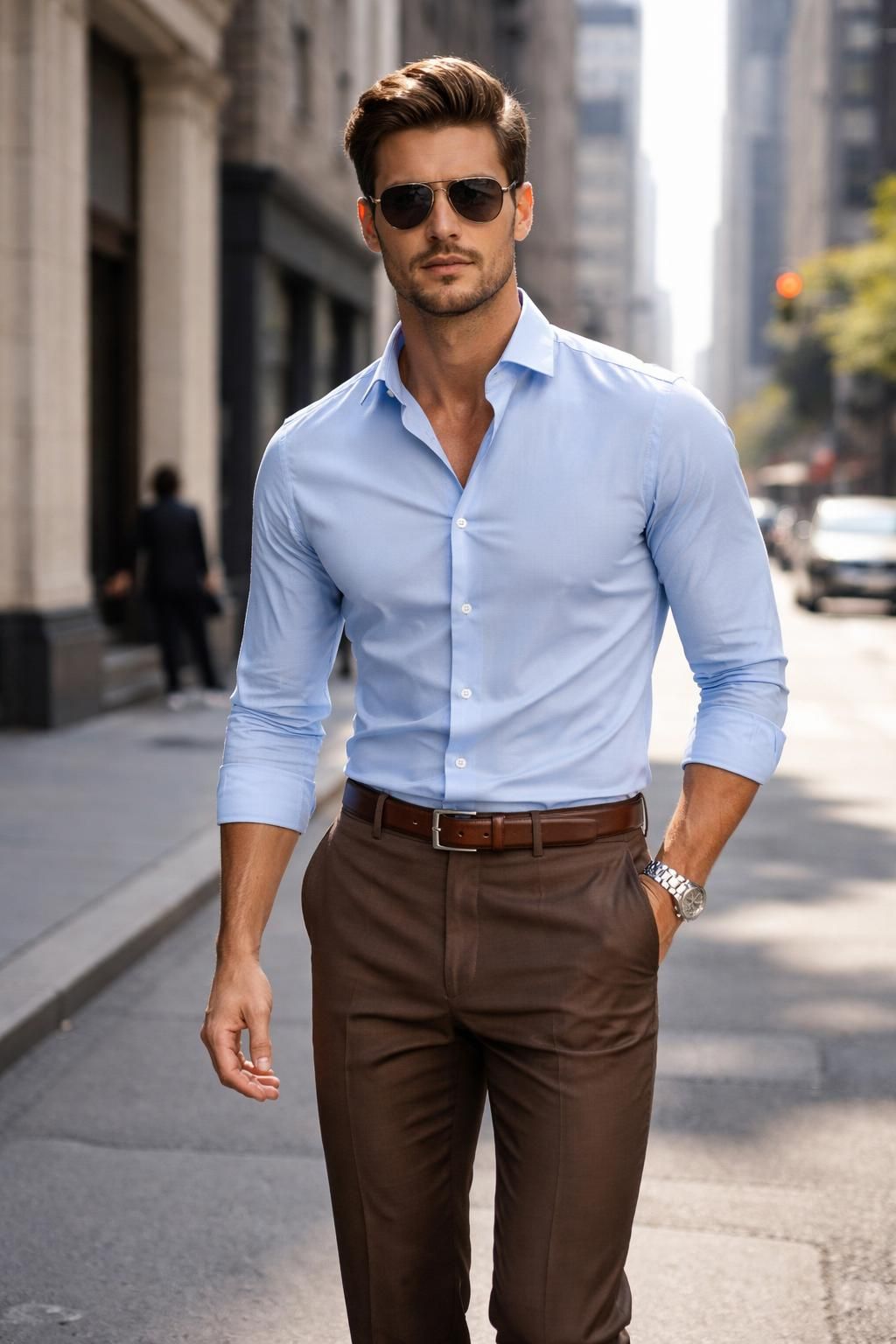
Brown pants continue to make a strong comeback in men’s fashion, offering a warm, grounded alternative to traditional black or gray. Yet, their true potential emerges only when paired thoughtfully with the right dress shirt colors. Since “brown” spans from light camel to deep chocolate, selecting a matching shirt color requires understanding these nuances to maintain style harmony and suit the occasion—whether aiming for a sharp formal style or a relaxed casual look.
Understanding Shades of Brown and Their Style Context
Each shade of brown shapes the outfit’s vibe differently:
- Light Brown/Tan/Camel: Ideal for daytime and warmer seasons, these shades call for airy, soft colors that don’t overpower.
- Medium Brown: The versatile mid-tone balancing casual and formal settings with ease.
- Dark Brown/Chocolate: Evokes a rich, bold look perfect for cooler months and formal environments, pairing well with crisp contrasts.
The fabric of the pants also influences the choice. A wool dress pant invites a smoother, crisper shirt fabric, whereas chinos mesh well with relaxed cotton or Oxford shirts.
Top Dress Shirt Colors That Pair Exceptionally with Brown Pants
Here’s a curated selection of shirt colors to enhance your brown pants ensemble, categorized by the shade of your trousers:
| Pant Shade | Best Shirt Colors | Why It Works |
|---|---|---|
| Light Tan / Camel | White, Light Blue, Olive, Cream | Offers balanced contrast with a soft, fresh, and relaxed feel |
| Medium Brown | White, Pastel Pink, Slate, Blue | Supports both cool and warm tones, enhancing versatility |
| Dark Chocolate | White, Black, Gray, Burgundy, Plum | Creates rich contrasts that are sharp and formal |
Classic and Reliable Shirt Colors for Brown Pants
White remains the foolproof champion, complementing all brown hues and elevating your look instantly for professional or formal occasions. Cream and ivory provide a softer and warmer feel, especially suited to light and medium brown pants.
Light blue shirts offer a fresh, effortless contrast with most brown shades, perfect for business casual ensembles or sunny daytime events.
Stylish Alternatives for a Modern Edge
For those wishing to bring creativity into their men’s fashion, consider these options:
- Soft pastels: Subtle pink, lilac, and mint add personality without overpowering the look, ideal for medium or dark brown pants.
- Earth tones: Olive, rust, and slate create a natural, tonal palette fitting for autumn weddings or creative workplaces.
- Bold darks: For dark chocolate pants, black or charcoal bring a modern, slightly edgy vibe, especially with a slim-fit cut.
Key Factors to Consider When Pairing Dress Shirts with Brown Pants
Successful outfit ideas go beyond just color matching. Take into account:
- Fabric & Texture: Lighter cottons suit casual brown chinos, while crisp cotton blends or TechSupima fabrics elevate wool trousers.
- Occasion: Formal events favor classic whites and blues; casual or creative environments welcome bolder hues or patterns.
- Season & Lighting: Light shirts shine under natural daylight, while richer shades thrive in evening or winter settings.
- Your Skin Tone: Fair skin pairs well with high-contrast light colors; medium skin tones harmonize with mid-tones; darker complexions can experiment broadly but lighter shirts usually make a strong impact.
Accessorizing Brown Pants and Dress Shirts for a Polished Finish
Completing your outfit with the right accessories refines your style and adds sophistication. Here are some pointers:
- Shoes & Belts: Brown leather accessories are a natural go-to. Darker brown pants can be paired with black shoes if balanced by a lighter shirt color.
- Ties: Keep ties understated with patterned soft tones or navy to complement white or blue shirts, and let your shirt shine if it boasts a stronger color.
- Pocket Squares: Use as a subtle accent, pulling out tones from your shirt or tie without matching exactly for a layered effect.
For extra style inspiration, explore how to master business casual attire using polo shirts or develop confidence layering with polo shirts and creatively pair jackets like letterman styles with solid basics from your wardrobe, as detailed in this style guide.
What color dress shirt goes best with brown pants?
White and light blue dress shirts are classic choices that pair well with almost any shade of brown. For darker brown pants, consider black or gray shirts to create contrast, while pastels and earth tones suit medium to light browns.
Can I wear patterned dress shirts with brown pants?
Yes, patterns like subtle stripes, checks, or plaids add personality without overwhelming the outfit. Ensure the colors within the pattern complement the brown pants to maintain a balanced look.
Are brown pants suitable for formal events?
Absolutely. When paired with tailored fabrics and classic colored dress shirts such as white or charcoal gray, brown pants can be dressed up for weddings, office meetings, and formal dinners.
How do I accessorize brown pants for a polished appearance?
Match your belt and shoes in brown leather tones for cohesion. Choose ties and pocket squares that support your shirt color without clashing, and keep the overall look streamlined and intentional.
Does skin tone affect shirt color selection with brown pants?
Yes, fair skin favors high-contrast lighter shirts, medium skin tones suit both cool and warm shades, and darker skin tones have flexibility but look striking with lighter or vibrant colors.