Discover the timeless beauty and intricate craftsmanship of Lebanese wedding gowns. These dresses are a perfect harmony of tradition and modern bridal fashion, showcasing a unique blend of Middle Eastern influences and couture elegance. Dive into the diverse wedding dress styles that embody luxury, cultural heritage, and a contemporary flair for brides seeking truly unique wedding gowns. Lebanese bridal fashion elevates wedding dress design with stunning, handcrafted details that make each gown a masterpiece.
Timeless Elegance in Lebanese Wedding Gowns: Tradition Meets Modern Couture
Lebanese wedding gowns are renowned for their exquisite elegance and rich cultural significance. The tradition of bridal wear in Lebanon combines luxurious fabrics like silk, satin, and velvet with meticulous hand embroidery and beadwork. This craftsmanship reflects centuries of Middle Eastern bridal artistry while embracing modern couture trends, creating gowns that feel both regal and contemporary.
One distinct characteristic of traditional Lebanese style is the use of delicate lace and intricate patterns inspired by Mediterranean and Arab heritage. Designers skillfully merge these elements into flowing silhouettes and dramatic shapes that emphasize the bride’s poise and grace.
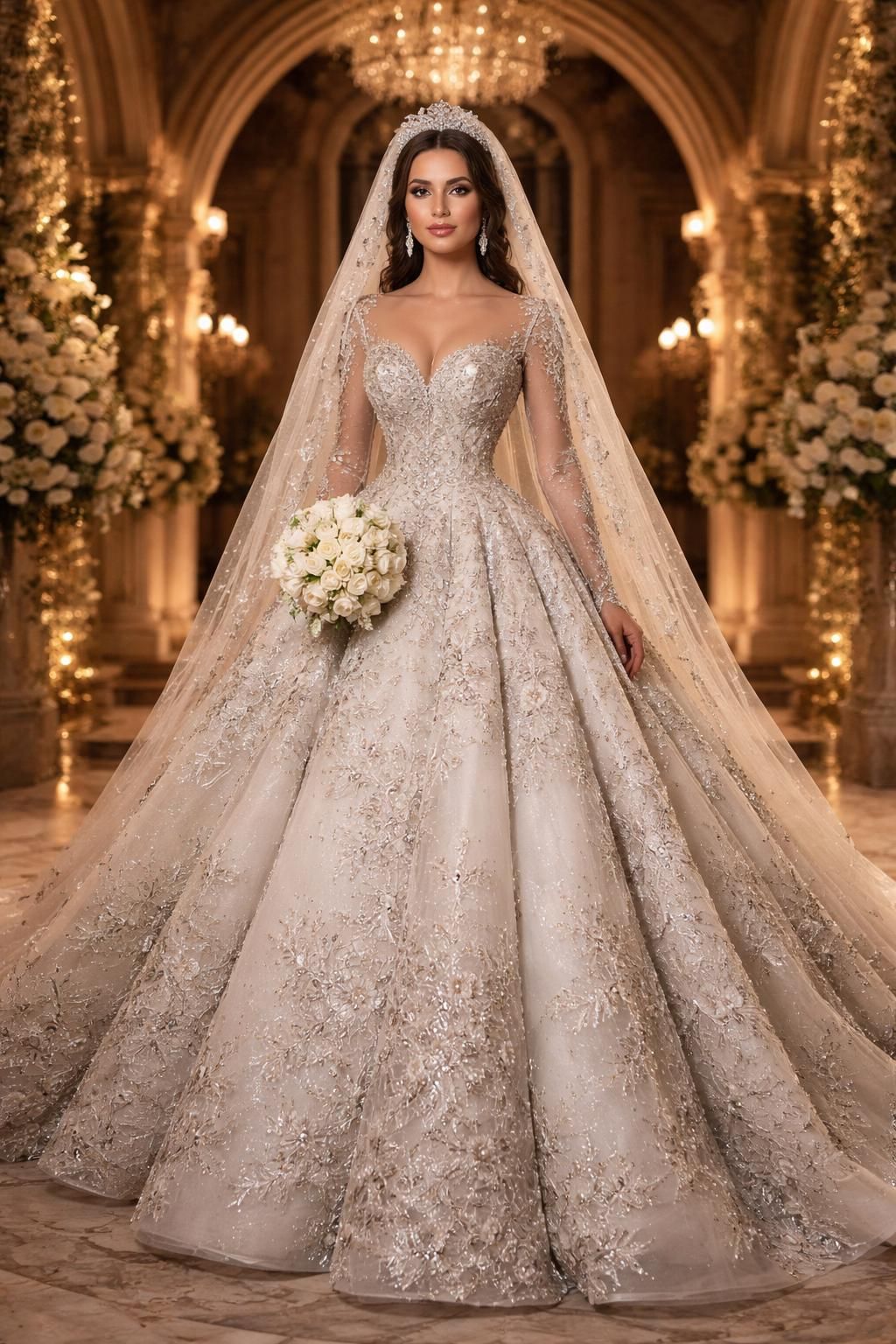
Signature Wedding Dress Styles Defining Lebanese Bridal Fashion
The variety of wedding dress styles in Lebanese bridal wear is vast, ranging from classic A-line gowns to bold, architectural silhouettes. These styles are often enhanced by features like illusion necklines, off-shoulder sleeves, and embroidered bodices, all crafted with an eye for detail and luxury.
Bridal gowns seamlessly combine traditional Lebanese elements with contemporary aesthetics. For example, Saiid Kobeisy and Tony Ward are celebrated designers known for avant-garde shapes paired with classic elegance, appealing to brides looking for both cultural richness and fashion innovation.
The Cultural Symbolism Behind Lebanese Wedding Dress Design
Every Lebanese wedding gown carries deep cultural symbolism. The use of specific colors, fabrics, and motifs often honors family heritage and regional traditions. For instance, gold thread embroidery symbolizes prosperity and good fortune, while certain floral patterns represent purity and fertility.
Moreover, many brides choose custom couture wedding dresses to reflect their personal stories and family histories, integrating traditional motifs with modern design principles for a truly bespoke gown.
Key Elements That Make Lebanese Wedding Gowns Unique
- Handcrafted Embroidery: Artisans spend hundreds of hours on detailed beadwork and thread designs.
- Luxurious Fabrics: Usage of premium silk, satin, chiffon, and velvet tailored to comfort and elegance.
- Fusion of Cultures: Combines Middle Eastern and Mediterranean influences, making each gown distinctive.
- Innovative Silhouettes: From flowing dresses to architectural shapes, bespoke to the bride’s vision.
- Personalized Customization: Dresses often incorporate meaningful symbols or family traditions in the design.
Leading Lebanese Designers Shaping Bridal Fashion in 2026
Lebanon continues to be a global hub for luxury bridal gowns, with designers like Reem Acra and Dany Tabet gaining worldwide acclaim. Their creations set trends with their sophisticated cuts, unique fabric combinations, and artistic flair. These designers expertly marry traditional Middle Eastern bridal wear with international couture standards, offering bridal gowns that are both timeless and innovative.
Comparison of Notable Lebanese Bridal Designers
| Designer | Signature Style | Unique Features | Global Recognition |
|---|---|---|---|
| Reem Acra | Elegant, timeless luxury | Intricate embroidery, flowing fabrics | International celebrity clientele |
| Saiid Kobeisy | Avant-garde, architectural | Bold silhouettes, experimental materials | Runway fashion and couture |
| Dany Tabet | Artisanal craftsmanship, cultural fusion | Hand-stitching, Middle Eastern motifs | Bespoke bridal couture |
| Tony Ward | Modern innovation with heritage | Detailed beadwork, luxurious textiles | High fashion bridal collections |
How Lebanese Wedding Gowns Reflect Cultural Heritage and Modern Trends
Lebanese bridal fashion in 2026 honors heritage while embracing new bridal trends. The distinct combination of hand-stitched detailed embroidery and cutting-edge fabric technologies results in dresses that are not only beautiful but comfortable and sustainable.
Modern brides are drawn to luxury bridal gowns that offer a unique narrative, representing both their cultural background and personality. This dynamic approach to wedding dress design has led to the global popularity of Lebanese wedding gowns as symbols of elegance and meaningful tradition.
Important Considerations When Choosing a Lebanese Wedding Dress
- Understanding Fabric Quality: Choose natural, breathable, and luxurious materials.
- Emphasis on Customization: Personalize your gown to include meaningful cultural references.
- Comfort and Practicality: Ensure the dress complements the wedding setting and climate.
- Designer Reputation: Select designers known for expert craftsmanship and originality.
- Balancing Tradition and Style: Incorporate heritage without compromising modern elegance.
What makes Lebanese wedding gowns stand out?
Lebanese wedding gowns uniquely blend traditional embroidery and Middle Eastern cultural motifs with modern couture techniques, resulting in luxurious and elegant bridal wear distinctive worldwide.
Which fabrics are commonly used in Lebanese bridal fashion?
Silk, satin, chiffon, and velvet are the primary fabrics used, selected for their luxurious texture and comfort, enhanced by intricate hand embroidery to elevate the gown’s elegance.
Who are some top Lebanese bridal designers to consider in 2026?
Leading designers include Reem Acra, Saiid Kobeisy, Dany Tabet, and Tony Ward, all celebrated for blending cultural heritage with modern bridal fashion trends.
Can Lebanese wedding gowns be customized?
Yes, these gowns often incorporate personalized elements such as family symbols and motifs, ensuring each dress reflects the bride’s unique story and cultural background.
How do Lebanese wedding gowns merge tradition with modern style?
They fuse handcrafted detailing and traditional Middle Eastern patterns with contemporary silhouettes and fabric technology, creating gowns that honor heritage while appealing to modern brides.