Indian wedding rings are far more than mere accessories; they are emblematic tokens rich with cultural meaning, embodying centuries of wedding traditions, symbolism, and marriage customs embedded deeply in Indian culture. From their historic origins to their evolving designs today, these rings serve as powerful expressions of love and commitment and continue to honor a family’s heritage.
Understanding the Cultural Meaning Behind Indian Wedding Rings and Their Importance in Marriage Customs
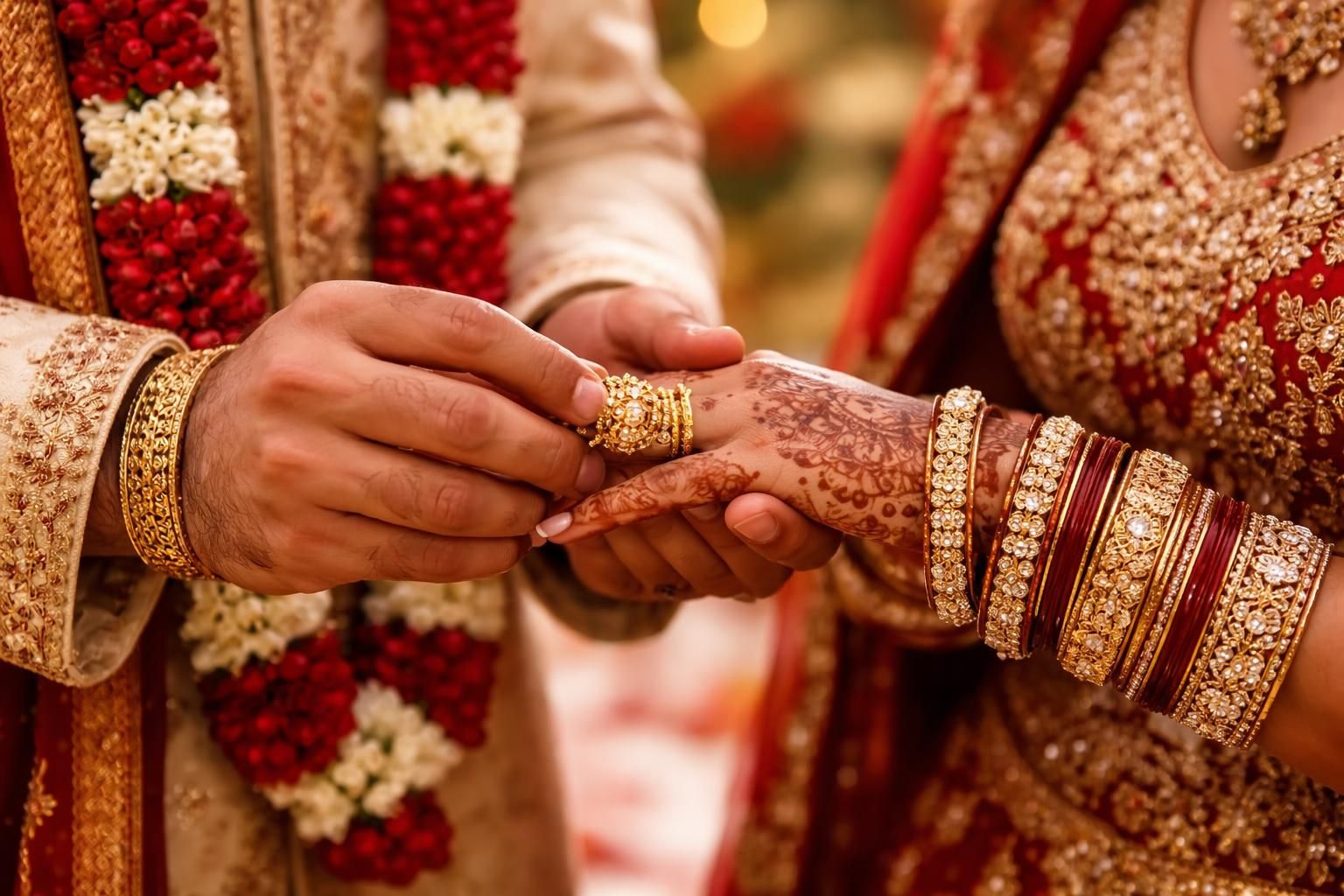
The significance of Indian wedding rings extends beyond their physical beauty, representing not only the bond between two individuals but also a union between families and communities. Traditionally, the practice of exchanging rings has roots tracing back to ancient India where royalty and nobility used them to formalize alliances, symbolizing devotion and sacred ties.
Unlike Western customs where wedding bands are usually worn on the left hand, in Indian tradition, these rings often adorn the right hand. This choice aligns with Vedic beliefs that regard the right hand as auspicious and linked to ritualistic purity and positive energy flow.
Regional Variations and Symbolism in Indian Wedding Rings
India’s vast cultural diversity results in distinct regional preferences for wedding rings, each infused with unique symbolism:
- North Indian Rings: Known for elaborate designs featuring diamonds, polki (uncut diamonds), and kundan craftsmanship, reflecting glamour and modern sensibilities influenced by Bollywood and Western trends.
- South Indian Rings: Favor heavy 22-karat gold with motifs inspired by temple jewelry such as the Vanki ring, symbolizing cultural heritage and tradition passed through generations.
- Urban vs Rural Preferences: Urban buyers in India increasingly prefer minimalist, practical designs often incorporating platinum or white gold, while rural buyers tend to favor traditional, heavy gold rings viewed as an investment and family heirloom.
This regional contrast showcases how Indian wedding rings are not merely decorative but carry layered meanings tied to community identity and status.
The Unique Role of Indian Wedding Rings in Engagement and Marriage Ceremonies
In many Indian communities, engagement rings serve as a formal promise exchanged during ceremonies like Roka or Manasammatham, marking the beginning of a lifelong journey. The wedding ceremony itself, however, often emphasizes other forms of ceremonial jewelry like the mangalsutra or toe rings (metti), which are considered the ultimate symbols of marital fidelity and protection.
This distinction highlights the evolving but complex role that rings play within the broader tapestry of Indian matrimonial traditions.
Essential Tips for Selecting Authentic and Meaningful Indian Wedding Rings
Purchasing an Indian wedding ring in 2026 demands cultural awareness and practical wisdom to honor tradition while securing quality:
- Verify Authenticity: Look for the BIS hallmark and unique HUID code to ensure gold purity and trustworthiness.
- Choose the Right Karat: Opt for 22K gold for a traditional plain band with high resale value, or 18K/14K if the ring is set with diamonds for durability.
- Stone Certification: Always request GIA or IGI certification when buying diamond-studded rings.
- Consider Comfort and Wearability: Select designs suited for daily wear without sharp edges or discomfort.
- Understand Resale Value: Plain gold bands retain value better due to lower making charges deduction upon resale.
| Aspect | North Indian Preferences | South Indian Preferences |
|---|---|---|
| Material | 18K Gold, Diamonds, Polki | 22K Gold, Temple Jewelry |
| Design | Elegant, Sparkling, Intricate | Traditional, Heavy, Motifs of Deities |
| Symbolic Use | Engagement Rings with Statement Stones | Wedding Rings as Heritage Pieces |
| Hand for Wearing | Predominantly Right Hand | Right Hand Mostly |
The Broader Context of Indian Wedding Jewelry and Its Symbolism
Indian wedding jewelry complements rings by adding depth to bridal adornment with items like the mangalsutra, maang tikka, and chooda bangles, each carrying their own cultural and spiritual symbolism. These pieces celebrate the bride’s transition into married life, invoking protection, prosperity, and harmony.
Each ornament plays a vital role in rituals and in warding off negative energies, reinforcing the intimate connection between jewelry and cultural identity.
- Mangalsutra: Sacred necklace symbolizing marital commitment and protection.
- Maang Tikka: Worn on the forehead, symbolizing spiritual awakening and unity.
- Chooda: Red and white bangles signifying joy, fertility, and good luck.
- Payal: Anklets believed to attract positive energy and blessings.
Preserving the Symbolic Value of Indian Wedding Rings and Jewelry
Proper care ensures these cultural treasures retain their brilliance and significance through time. Experts recommend storing jewelry in soft-lined boxes, cleaning gently with mild solutions, avoiding direct contact with perfumes, and seeking professional maintenance when necessary. These practices help families preserve valuable heirlooms that link generations.
Why do most Indians wear wedding rings on the right hand?
The right hand is traditionally considered auspicious and active in Indian culture, associated with positive energy flow during rituals. The left hand is generally viewed as inauspicious, hence rings are worn on the right.
What distinguishes an Indian wedding ring from Western styles?
Indian wedding rings often feature culturally significant materials like 22K gold and designs that reflect regional heritage, whereas Western rings tend to favor simpler bands worn on the left hand.
Are Indian wedding rings exchanged during engagement or marriage?
Typically, the ring is exchanged during the engagement ceremony serving as a promise, while the marriage ceremony emphasizes the ritualistic mangalsutra or toe rings as symbols of marital status.
How can I verify the authenticity of an Indian gold wedding ring?
Look for the BIS hallmark and a laser-etched 6-digit HUID code inside the band. These mark guaranteed purity and traceability through the official BIS Care app.
What should urban brides consider when choosing a wedding ring in India?
Urban brides often look for minimalist, versatile designs in white gold or platinum that balance tradition with modern lifestyle practicality and comfort.